Endometriosis - What You Need to Know
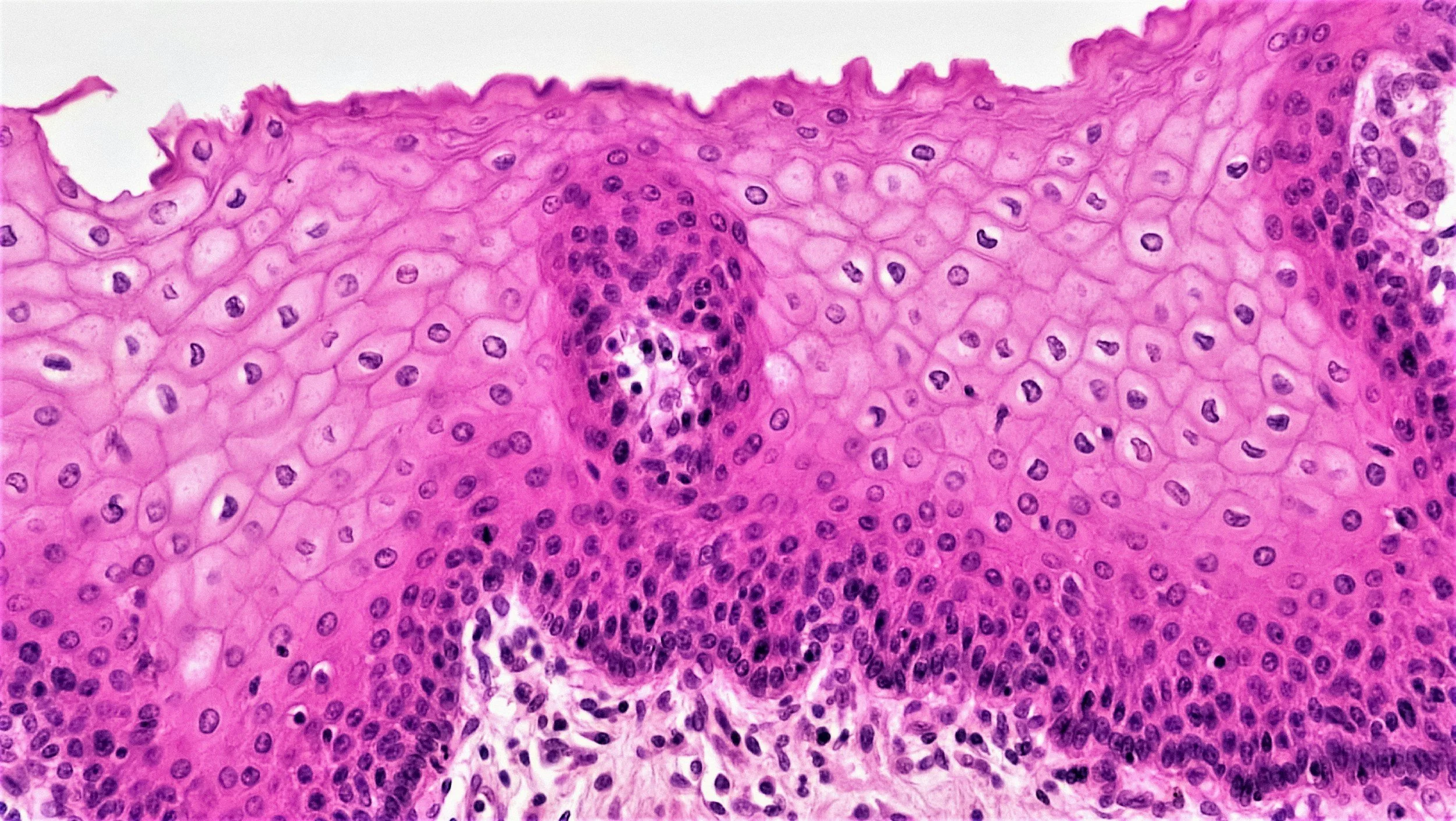
Endometriosis is a chronic condition where tissue similar to the lining of the uterus grows outside the uterus, typically in the pelvic region, but it can be found anywhere in the body. This misplaced tissue responds to hormonal changes during the menstrual cycle, causing inflammation, pain, and scar tissue. Endometriosis is a complex chronic condition, impacting the lives of women significantly.
Current Medical Treatment Options for Endometriosis
There is currently no cure for endometriosis, however good quality excision surgery is often best option alongside addressing contributing factors. (many women void ablation surgery as this doesn’t remove endo and often makes it worse/more damage/scar tissue).
The pill and IUDs suppress periods, so are often offered for managing symptoms - but they do not treat or prevent endometriosis. NSAIDs /pain killers are also offered to manage pain.
Contributing Factors to Endometriosis Symptoms
Nutrient deficiencies - studies show that low/deficiencies of vitamin D, B vitamins, vitamin A, C, E, calcium, vitamin K, magnesium, zinc, antioxidants, iron, omega 3 have all been linked to increased symptoms of endometriosis directly or indirectly. (through influencing inflammation/prostaglandin production and hormones).
Stress - studies show Chronic stress and history of traumatic experiences - over-activates the Hypothalamic-Pituitary-Adrenal (HPA) axis, which can cause the body to produce excessive prostaglandins and estrogen. These hormones trigger overly aggressive uterine contractions, which physically cause sharper cramps. All types of trauma have been linked to increased symptoms with endometriosis.
Imbalanced Blood sugars - studies show Elevated Prostaglandin Production from High insulin levels, triggers chronic, low-grade systemic inflammation.
Immune system dysregulation -studies show - Shared mechanisms, such as chronic inflammation and problems with the immune system recognising the body's tissues - suggest endometriosis can reflect wider systemic immune dysfunction.
Hormone imbalances - research shows imbalances in various hormones such as oestrogen, progesterone, androgens and other hormones can all increase period pain with endometriosis - via influencing prostaglandin production, pain sensitivity and uterine thickening.
Poor gut health/microbiome LPS - studies show dysbiosis and LPS directly increases inflammation/period pain and is linked to reproductive conditions such as endometriosis.
Poor vaginal/reproductive microbiome health - studies show dysbiosis of the vaginal and uterine microbiome has been linked to severe period pain and impacts symptoms of endometriosis.
Poor diet - research shows women with diets high in omega 6, sugar, processed foods, caffeine and diets and low in antioxidants, wholefoods, fibre, plants, fruit, vegetables, grains/legumes, omega 3, vitamins and minereals all have increased period pain and symptoms of endometriosis compared to womem that don’t.
Poor lifestyle habits - research shows high stress, lack of sleep, low exercise, smoking, vaping, drugs and alcohol all increase period pain and symptoms of endometriosis.
High toxin load/poor detoxification pathways - studies show air pollution, chemicals/toxins, endocrine disrupting chemicals, heavy metals, pesticides, herbicides, cleaning products, beauty products all have been shown to increase inflammation, disrupt immune system and hormones - all increasing period pain, disrupt hormones and symptoms of endometriosis.
Endometriosis, The Pill & IUDs - Considerations
The oral contraceptive pill may not be the best option - Some clinical data suggest that the continuous presence of synthetic estrogens and progestins in OCPs may create a hormonal environment that allows endometriotic cells to survive, proliferate, and become more invasive over time.
Early use of the oral contraceptive pill may increase risk - Some studies have shown that women who used hormonal contraceptives at an early age (12–14 years) showed higher rates of an endometriosis diagnosis later in life.
Copper IUDs may increase inflammation - Copper can act as a metalloestrogen, potentially inducing oxidative stress and promoting the growth of new blood vessels - which are factors associated with endometriosis progression. IUDs can also lead to heavier periods/bleeding which can worsen symptoms and pain.
Research Articles for Endometriosis
Immune system study - The phenotypic and genetic association between endometriosis and immunological diseases. Human reproduction (Oxford, England), 40(6), 1195–1209. https://doi.org/10.1093/humrep/deaf062
Hormone imbalances study -The Role of Sex Hormones in Pain-Related Conditions. International journal of molecular sciences, 24(3), 1866. https://doi.org/10.3390/ijms24031866
Gut microbiome/LPS study - Gut Microbiome Dysbiosis and Its Impact on Reproductive Health: Mechanisms and Clinical Applications. Metabolites, 15(6), 390. https://doi.org/10.3390/metabo15060390.