Testing & Investigations for Period Pain
How do I know what’s causing my period pain?
There are multiple causes and contributing factors to period pain - read my other blog here to understand the causes of period pain.
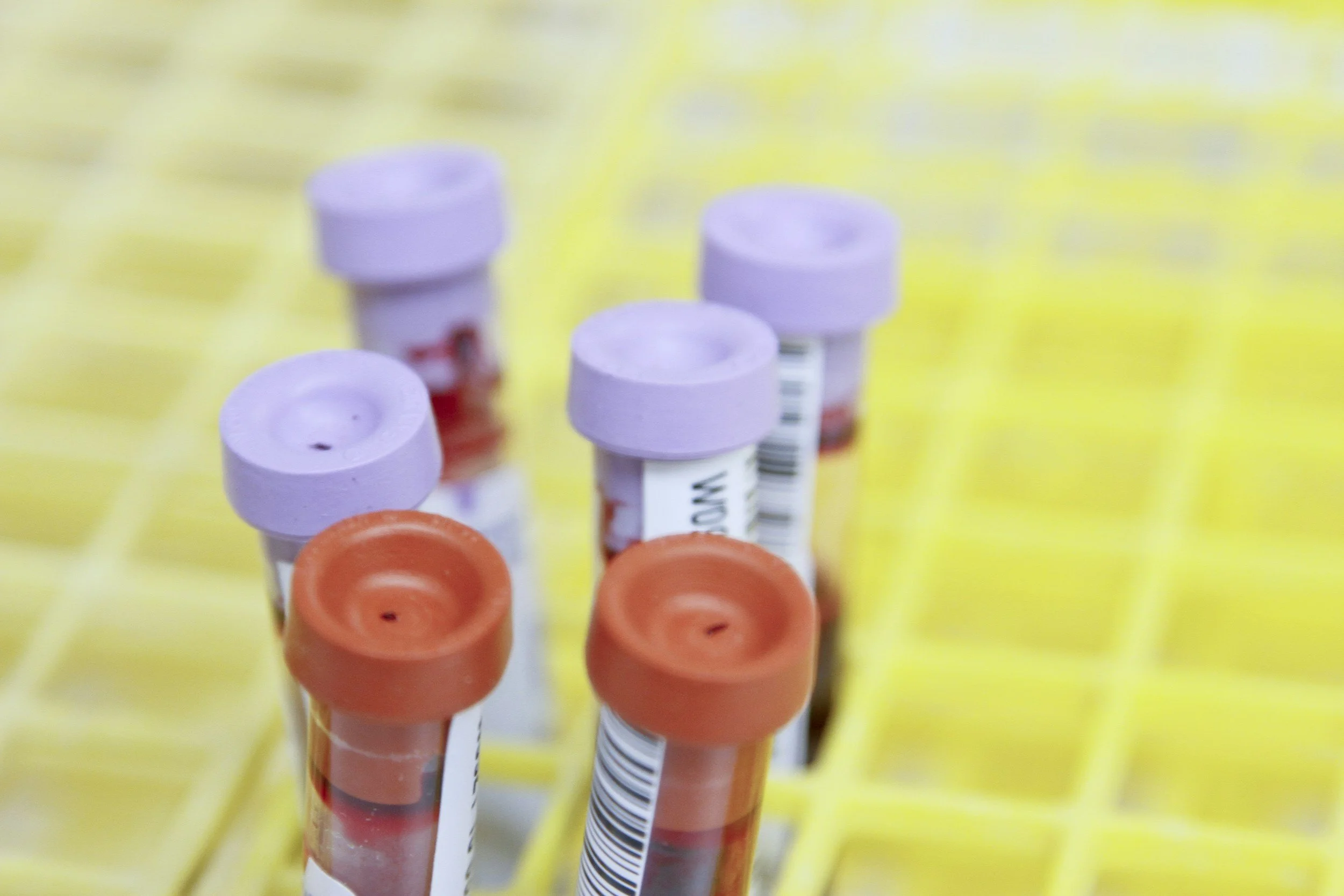
As a degree qualified Naturopath, these are some of the common tests and investigations I refer and recommend my clients.
Blood testing - recommend bulk billing GP:
Nutrients - zinc, iron studies, vitamin D, B12, folate.
Hormones - oestrogen, LH, FSH, androgen index, testosterone, DHEAs (test these on day 3-4 of your bleed) - if testing progesterone - then test day 21 of cycle.
Blood sugar regulation - HBA1C, insulin.
Thyroid - TSH (doctors won’t test more than TSH unless out of range).
Liver function - LFTs and cholesterol
Inflammation - Full blood count - FBC, CRP, ESR, homocysteine.
Other investigations for period pain:
Transvaginal ultrasound - may be able to detect endometriosis, adenomyosis and fibroids. May miss some cases.
MRI - can detect endometriosis, adenomyosis, fibroids. May miss some cases.
Laproscopy - surgery - this is where they take a biopsy of tissue for testing, currently this is the gold standard of diagnosing endometriosis. Currently this is the only test to confirm Endometriosis - other tests may not pick it up.
Adenomyosis - currently can only be 100% confirmed via hysterectomy. Diagnosis typically involves a clinical pelvic exam and non-invasive imaging, such as a transvaginal ultrasound or MRI, to identify an enlarged or tender uterus and characteristic tissue changes. While a definitive diagnosis can technically only be confirmed by examining uterine tissue under a microscope, doctors rely heavily on imaging and symptom history.
Hysteroscopy: scope is inserted through the vagina and cervix to view the interior of the uterus to check for fibroids.
New Saliva Test for Endometriosis?
A very new area is being explored for developing a saliva test to help diagnose endometriosis called the Ziwig Endotest. Some studies are showing that this is more accurate then ultrasounds for endometriosis. UK: The National Institute for Health and Care Excellence (NICE) has recommended the Endotest for use in the NHS alongside standard clinical practice to help reduce years-long diagnostic delays. Australia: The test is not currently widely available or routinely offered as a standard medical test in Australia.Importance of Treating Period Pain Holistically
Gut Microbiome Testing for Period Pain
I often recommend gut microbiome testing if you are able to afford it/it is accessible to you, as it does give us extra information about your gut and microbiome which are key areas for treating to reduce period pain.
It is not essential - if you work with me 1:1 I can still get enough information about your gut health and microbiome based on your clinical Naturopathic assessment, therefore I offer it as an option when working with me.
You are able to organise gut microbiome testing with me personally if you work with me 1:1 as a client - if you would like to do gut microbiome testing please ask me.
I use and trust Microba as the lab/brand for accurate gut microbiome testing.

Treating period pain holistically:
Treating period pain holistically - means to identify and address the root causes of period pain as much as possible, to not only clear symptoms - but to also manage, prevent worsening, improve quality of life, improve overall health and wellbeing.
An integrative approach - treatment doesn’t have to be one way or the other when it comes to conventional options and natural medicine options, they often can go hand in hand and depend on your preferences and what feels right to you/your goals - eg. for endometriosis high quality excision surgery alongside holistic treatment can be more effective than surgery alone.
It if often best to combine both approaches - it is important to get tested and assessed and rule out conditions that can cause period pain so that you get the best treatment plan and know what you are working with.
Even if you already have diagnosed conditions causing period pain - other contributing factors such as your hormonal health, inflammation, gut health and microbiome will still need to be addressed/are still relevant for you in order to reduce your symptoms and period pain.
Whilst it’s important to get the right tests done, it’s more important to have the right support and also the right interpretation of results for the results to become meaningful and useful.
To learn more about how to work with me 1:1 for your period pain - click here.